
In today’s competitive job market, mastering the art of job applications is more crucial than ever. While having the right skills and qualifications is essential, effectively communicating these through your job application can make the difference between landing an interview and being overlooked. This article explores the top strategies to help you succeed in your job application process, ensuring that you stand out from the crowd and make a lasting impression on potential employers.
Research and Understand the Job Description
The foundation of any successful job application is a thorough understanding of the job description. Before you start crafting your application, spend time researching the company and the role you are applying for. Understand what the employer is looking for in a candidate and how your skills and experiences align with those requirements.
Tailor your application to reflect the language and keywords used in the job description. This not only demonstrates your attention to detail but also helps your application get past any Applicant Tracking Systems (ATS) that might be used to filter candidates.
Craft a Compelling Resume
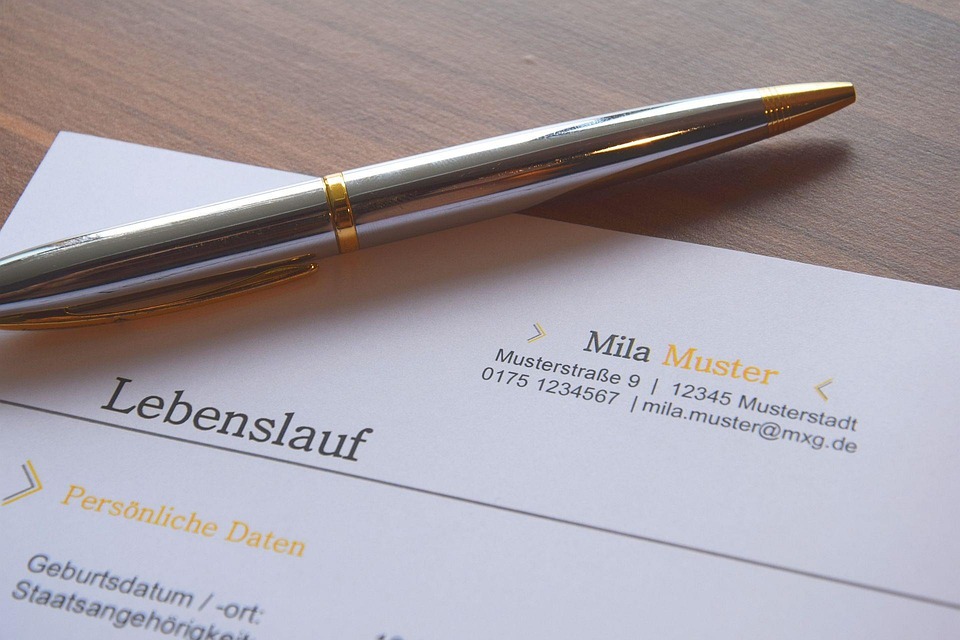
Your resume is often the first impression you make on a potential employer, so it’s crucial to make it count. Focus on creating a concise, well-structured resume that highlights your most relevant experiences and achievements.
Highlight Achievements, Not Just Responsibilities
Instead of simply listing your job responsibilities, emphasize your accomplishments. Use quantifiable metrics to showcase your achievements, such as “increased sales by 20%” or “reduced customer complaints by 30%.” This provides concrete evidence of your capabilities and impact.
Use a Clean and Professional Format
A clean, professional format ensures your resume is easy to read and visually appealing. Use clear headings, bullet points, and consistent formatting. Avoid clutter and excessive design elements that can distract from the content.
Write a Persuasive Cover Letter
A cover letter is your opportunity to personalize your application and explain why you are the best fit for the role. Tailor each cover letter to the specific job and company, addressing the hiring manager by name whenever possible.
Showcase Your Knowledge of the Company
Demonstrate that you’ve done your homework by mentioning specific details about the company or its projects that resonate with you. This shows genuine interest and enthusiasm for the role.
Explain Your Unique Value Proposition
Clearly articulate what makes you unique and how your skills and experiences align with the company’s needs. Use the cover letter to tell a story that connects your past experiences with the potential future contributions to the company.
Optimize for Applicant Tracking Systems (ATS)
Many companies use ATS to streamline their recruitment process. These systems scan resumes and cover letters for keywords and phrases relevant to the job description. To increase your chances of passing this initial screening, ensure your application is optimized for ATS.
Incorporate Relevant Keywords
Carefully analyze the job description and incorporate relevant keywords and phrases throughout your resume and cover letter. However, avoid keyword stuffing. Ensure that your use of keywords is natural and contextually relevant.
Use Standard Formatting
ATS can struggle with complex formatting, so use standard fonts and avoid graphics, tables, or unusual layouts. Save your documents in a universally accepted format, such as PDF or DOCX, to ensure compatibility.
Leverage Your Network
Networking remains one of the most effective strategies for landing a job. Leverage professional connections to gain insights into the company culture and the hiring process. A personal referral can significantly increase your chances of getting noticed.
Connect with Current or Former Employees
Reach out to current or former employees of the company for informational interviews. This can provide valuable insights and potentially lead to a referral. Be respectful of their time and express genuine interest in learning about their experiences.
Utilize Online Platforms
Platforms like LinkedIn are powerful tools for networking. Engage with industry-specific groups, attend virtual events, and connect with professionals who can offer advice or referrals. Ensure your LinkedIn profile is up-to-date and reflects your professional brand.
Prepare for Interviews
Once your application successfully lands you an interview, preparation becomes key. Research common interview questions for your industry and practice your responses. Prepare examples that highlight your skills and experiences in a way that aligns with the job requirements.
Practice Behavioral Interview Techniques
Many employers use behavioral interview techniques to assess how candidates have handled situations in the past. Use the STAR method (Situation, Task, Action, Result) to structure your responses, ensuring you provide clear and concise examples of your abilities.
Prepare Thoughtful Questions
Prepare a list of thoughtful questions to ask the interviewer. This demonstrates your interest in the role and helps you assess whether the company is the right fit for you. Ask about company culture, team dynamics, and potential career growth opportunities.
Follow Up After the Application
Following up after submitting your application and after interviews can demonstrate your enthusiasm and professionalism. Send a polite email to thank the interviewer for their time and reiterate your interest in the position.
Express Gratitude
Regardless of the outcome, express gratitude for the opportunity to interview. This leaves a positive impression and keeps the door open for future opportunities.
Be Patient but Persistent
While follow-ups are important, balance persistence with patience. If you haven’t heard back, wait a reasonable amount of time before sending a gentle reminder. Respect the company’s timeline and hiring process.
Conclusion
Mastering job applications requires a combination of research, personalization, and strategic communication. By understanding the job description, crafting compelling resumes and cover letters, optimizing for ATS, leveraging your network, and preparing for interviews, you can significantly enhance your chances of success. Remember, the job application process is not just about showcasing your skills but also about demonstrating your enthusiasm and fit for the role and company culture. Approach each application with dedication and attention to detail, and you’ll be well on your way to landing your desired job.
#ChatGPT assisted in the creation of this article.





Post Comment