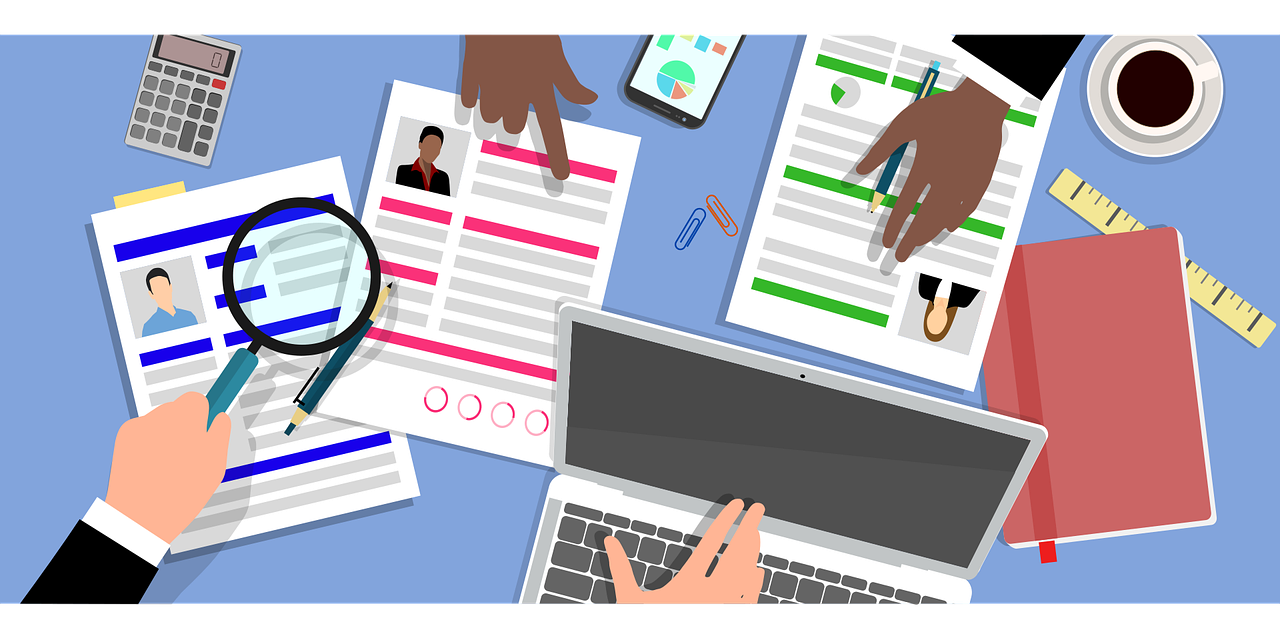
Interviews can be daunting, but with the right preparation, you can walk into the room with confidence and leave a lasting impression. Whether you’re a fresh graduate or a seasoned professional, mastering the art of the interview is crucial for advancing your career. This guide will cover everything you need to know to ace your next interview, from research and preparation to follow-up strategies.
Understanding the Interview Process
Before diving into preparation, it’s essential to understand the interview process. Interviews typically consist of several stages, including initial screening, technical assessments, and one or more rounds of in-person or virtual interviews. Each stage has its own focus, from evaluating your resume to assessing your cultural fit within the company.
Different Types of Interviews
Interviews can come in various formats, including:
- Phone Interviews: Usually the first step, phone interviews are used to screen candidates and gauge their interest in the role.
- Video Interviews: These are increasingly common and can be live or pre-recorded. They allow for visual interaction when in-person meetings aren’t feasible.
- In-Person Interviews: These face-to-face meetings provide a more personal interaction with potential employers.
- Panel Interviews: Involves being interviewed by multiple people at once, often from different departments within the organization.
- Group Interviews: Multiple candidates are interviewed simultaneously, testing how you interact in a team setting.
Preparation is Key
Proper preparation is the foundation of a successful interview. Here’s how you can prepare effectively:
Research the Company
Understanding the company you’re interviewing with is crucial. Research their mission, values, products, and recent news. Familiarize yourself with their industry standing and competitors. This knowledge will help you tailor your responses and demonstrate genuine interest in the organization.
Understand the Job Description
Thoroughly read the job description to understand the skills and experiences the employer is seeking. Highlight the key responsibilities and requirements, and prepare examples from your past experience that align with these expectations.
Practice Common Interview Questions
While every interview is unique, certain questions are almost universal. Practice responses to common questions such as:
- “Tell me about yourself.”
- “What are your strengths and weaknesses?”
- “Why do you want to work here?”
- “Describe a challenging situation and how you handled it.”
Use the STAR method (Situation, Task, Action, Result) to structure your responses clearly and effectively.
Polish Your Skills
Develop Your Communication Skills
Effective communication is key during interviews. Practice speaking clearly and confidently. Pay attention to your tone, pace, and body language. Engaging in mock interviews with friends or mentors can provide valuable feedback.
Technical and Role-Specific Preparation
For technical roles, you may need to demonstrate specific skills or undergo technical assessments. Review relevant technical concepts, practice coding problems, or brush up on industry-specific knowledge. Tailor your preparation to the requirements of the role.
Dressing for Success
Your appearance can significantly impact first impressions. Dress appropriately for the company culture and the position you’re applying for. When in doubt, it’s better to be slightly overdressed than underdressed. Ensure your outfit is clean and well-fitted, and pay attention to grooming details like hair and nails.
The Day of the Interview
Ensure a Good Night’s Sleep
Adequate rest is crucial for optimal performance. Ensure you get a good night’s sleep before the interview to be alert and focused.
Plan Your Journey
If your interview is in-person, plan your route in advance to avoid any delays. Arrive 10-15 minutes early to show punctuality without appearing overly eager.
Bring Necessary Materials
Carry multiple copies of your resume, a list of references, a notebook, and a pen. Having these on hand shows preparedness and professionalism.
During the Interview
Make a Strong First Impression
Greet your interviewers with a firm handshake and a friendly smile. Maintain eye contact and listen actively throughout the conversation.
Showcase Your Skills and Experience
Highlight your skills and experiences relevant to the job. Use the STAR method to provide structured responses and quantify your achievements where possible.
Ask Insightful Questions
Prepare thoughtful questions to ask your interviewers. This demonstrates your interest in the role and helps you assess if the company is the right fit for you. Consider asking about the company culture, team dynamics, or growth opportunities.
After the Interview
Send a Thank-You Note
Within 24 hours of the interview, send a personalized thank-you email to each interviewer. Express your gratitude for the opportunity and reiterate your interest in the position.
Reflect on Your Performance
Take time to reflect on the interview. Consider what went well and identify areas for improvement. Use this feedback to enhance your performance in future interviews.
Conclusion
Mastering your interview requires thorough preparation, effective communication, and a positive attitude. By following this ultimate preparation guide, you’ll be well-equipped to tackle any interview with confidence. Remember, every interview is a learning opportunity, and with each experience, you’ll become more adept at showcasing your skills and securing your dream job.
#ChatGPT assisted in the creation of this article.





Post Comment