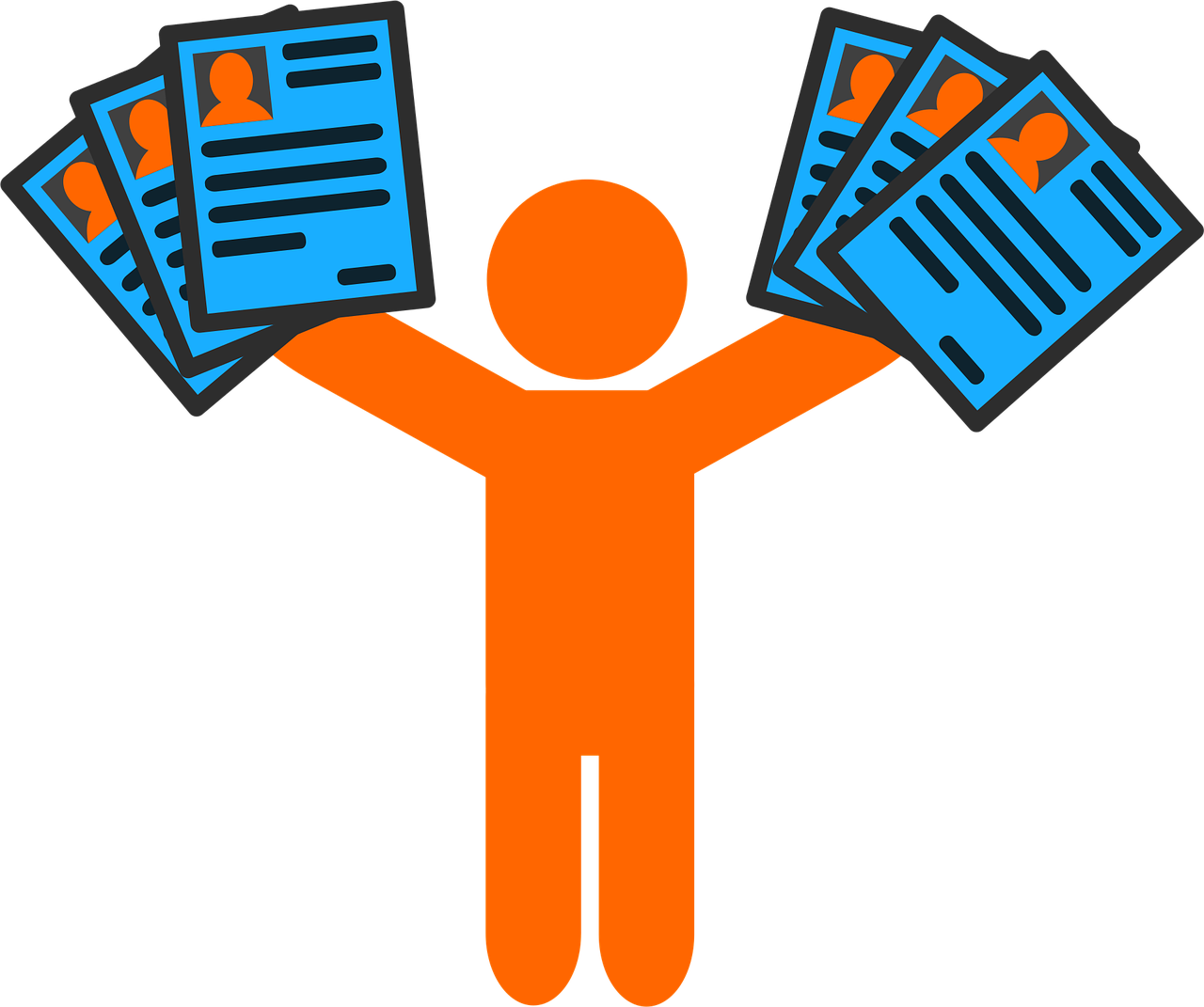
Most people consider interviews to be nerve-wracking experiences. Whether you are a seasoned professional or a fresh graduate, the thought of sitting across from potential employers can be daunting. However, the key to acing any interview lies in your mindset. Approaching an interview with the right mindset can turn what could be a stressful situation into a rewarding opportunity. This article will guide you on how to master your interview mindset for success.
Understand the Purpose of an Interview
The first step towards mastering your interview mindset is understanding the true purpose of an interview. Many candidates view interviews as interrogations, but they are, in essence, conversations. They are opportunities for both the employer and the candidate to evaluate if they are a good fit for each other. By shifting your perspective from being judged to having a mutually beneficial conversation, you can alleviate some of the pressure.
Interviews Are Two-Way Streets
Remember, you are also assessing the company and the role. This mindset shift can alleviate anxiety and empower you to engage more authentically. Prepare questions to ask the interviewer about the company culture, team dynamics, or growth opportunities. This not only shows your interest in the role but also helps you determine if this is the right place for you.
Prepare Thoroughly
Preparation is essential for developing a confident mindset. When you are well-prepared, you approach the interview with a sense of control and readiness.
Research the Company
Before the interview, research the company thoroughly. Understand its mission, values, products, services, and recent developments. Familiarize yourself with the industry trends and how the company fits into the larger market. This knowledge allows you to tailor your responses to align with the company’s goals and demonstrate your genuine interest.
Practice Common Interview Questions
While every interview is unique, there are common questions that most employers ask. Practice your responses to questions about your strengths, weaknesses, past experiences, and career aspirations. Use the STAR method (Situation, Task, Action, Result) to structure your responses. Practicing out loud can help you articulate your thoughts clearly and confidently.
Visualize Success
Visualization is a powerful tool in mastering your interview mindset. By imagining yourself succeeding, you can reduce anxiety and boost your confidence.
Picture the Interview
Close your eyes and visualize yourself walking into the interview room, greeting the interviewer with a firm handshake, and answering questions with poise and clarity. Imagine the interviewer responding positively to your answers. This mental rehearsal can create a sense of familiarity and reduce nervousness.
Focus on Positive Outcomes
Instead of dwelling on what might go wrong, focus on what could go right. Remind yourself of your achievements, skills, and how they make you a valuable candidate. This positive focus can enhance your self-esteem and project confidence during the interview.
Manage Stress and Anxiety
It’s natural to feel some level of stress and anxiety before an interview. However, managing these emotions is crucial to maintaining a positive mindset.
Practice Relaxation Techniques
Incorporate relaxation techniques into your routine to calm your nerves. Deep breathing exercises, meditation, or yoga can help reduce stress and improve concentration. Practicing these techniques regularly can make them more effective during the interview.
Embrace Nervous Energy
Recognize that some level of nervousness is normal and can even be beneficial. Nervous energy can heighten your alertness and focus. Instead of trying to eliminate it entirely, channel it into enthusiasm and eagerness to showcase your abilities.
Build Confidence
Confidence is a crucial component of a successful interview mindset. Building confidence can be achieved through self-reflection and positive reinforcement.
Acknowledge Your Achievements
Reflect on your past accomplishments and the skills that have brought you this far. Create a list of your achievements and review it regularly to remind yourself of your capabilities. This practice can boost your self-assurance and reinforce your belief in your qualifications.
Dress for Success
Your appearance influences your confidence. Dress professionally and appropriately for the interview. When you look good, you feel good, and this confidence will be evident to the interviewer.
Stay Present and Engaged
During the interview, staying present and engaged is essential for maintaining a positive mindset.
Active Listening
Listen attentively to the interviewer’s questions and comments. Engage in active listening by nodding and providing affirmations when appropriate. This demonstrates your interest and respect for the conversation.
Adaptability
Be open to the flow of the conversation. Sometimes, interviews may take unexpected turns. Embrace these moments as opportunities to showcase your adaptability and problem-solving skills.
Learn from Every Experience
Regardless of the outcome, every interview is a learning opportunity. Adopting a growth mindset allows you to view each experience as a chance for improvement.
Seek Feedback
After the interview, reach out to the interviewer and request feedback. Constructive feedback can provide valuable insights into your performance and areas for growth. Use this information to refine your approach for future interviews.
Reflect on Your Performance
Take time to reflect on the interview. Identify what went well and what could be improved. This self-assessment helps you recognize your strengths and areas for development.
Conclusion
Mastering your interview mindset is a journey that involves preparation, visualization, stress management, confidence-building, and self-reflection. By adopting a positive and proactive mindset, you can transform interviews from daunting experiences into valuable opportunities to showcase your strengths and potential. Remember, each interview is a step towards your career goals, and with the right mindset, success is within your reach.
#ChatGPT assisted in the creation of this article.





Post Comment