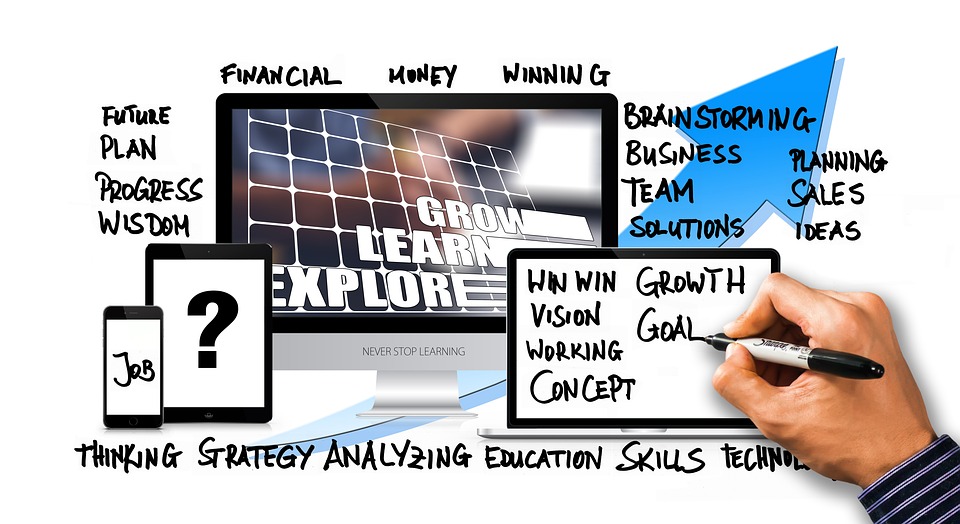
In today’s competitive job market, career development is more crucial than ever. Whether you’re just starting out or looking to advance in your current field, having a strategic approach to your career can make a significant difference. This article explores essential career development strategies that can help you achieve success and fulfillment in your professional life.
Understanding Career Development
Career development is a lifelong process of learning and decision-making that helps individuals manage their careers and work-life balance. It involves gaining new skills, exploring opportunities, and setting goals to progress professionally. By understanding the importance of career development, individuals can take proactive steps to enhance their career trajectory.
Setting Clear Career Goals
One of the foundational elements of successful career development is setting clear, achievable goals. These goals should be specific, measurable, attainable, relevant, and time-bound (SMART). By setting both short-term and long-term goals, you can create a roadmap for your career path. This clarity allows you to focus your efforts and measure your progress effectively.
Short-Term Goals
Short-term goals are the immediate objectives that you aim to achieve within a year or less. These might include acquiring a new skill, achieving a certification, or improving your performance in a current role. Short-term goals are crucial as they provide motivation and a sense of accomplishment, setting the stage for more significant achievements.
Long-Term Goals
Long-term goals are broader objectives that span several years and align with your ultimate career aspirations. These could involve reaching a leadership position, transitioning to a new industry, or starting your own business. Long-term goals require careful planning and perseverance, but they offer a vision for your professional future.
Continuous Learning and Skill Development
In a rapidly evolving job market, continuous learning and skill development are essential for career success. Embracing a mindset of lifelong learning helps you stay relevant and competitive. You can pursue formal education, attend workshops, or take online courses to acquire new skills and knowledge.
Embracing Technology
Technology is transforming industries, and staying updated with the latest advancements is critical. Familiarize yourself with new software, digital tools, and industry trends. By embracing technology, you not only enhance your skill set but also increase your value as an employee.
Networking and Building Professional Relationships
Building a robust professional network is an invaluable strategy for career development. Networking allows you to connect with industry peers, mentors, and potential employers. Attend industry conferences, join professional organizations, and leverage social media platforms like LinkedIn to expand your network.
Seeking Feedback and Self-Reflection
Feedback is a vital component of career development. Regularly seek feedback from supervisors, colleagues, and mentors to gain insights into your strengths and areas for improvement. Constructive criticism helps you grow and adapt in your career.
Engaging in Self-Reflection
Self-reflection involves assessing your skills, values, and interests to ensure alignment with your career goals. Take time to evaluate your achievements and setbacks. This introspection allows you to make informed decisions and adjust your strategies as needed.
Developing a Personal Brand
A personal brand is your professional identity and reputation. It encompasses your skills, values, and the unique qualities you bring to the table. Developing a strong personal brand can differentiate you from others and open doors to new opportunities.
Creating an Online Presence
In the digital age, having an online presence is vital. Build a professional website or blog to showcase your expertise and accomplishments. Use social media platforms to share insights and engage with your audience. A well-curated online presence enhances your credibility and visibility.
Communicating Your Value
Effectively communicate your value to current and potential employers. Develop a compelling elevator pitch that highlights your skills, experience, and contributions. Tailor your resume and cover letter to align with the specific requirements of each job application.
Embracing Adaptability and Resilience
The modern workplace is dynamic, and the ability to adapt to change is a crucial career development strategy. Embrace new challenges and view setbacks as opportunities for growth. Resilience allows you to persevere in the face of adversity and continue moving forward.
Staying Open to Opportunities
Career paths are not always linear. Stay open to unexpected opportunities and be willing to explore different roles or industries. Sometimes, the most rewarding career moves come from taking calculated risks and venturing outside your comfort zone.
Balancing Work and Life
Achieving career success should not come at the expense of your well-being. Strive for a healthy work-life balance to ensure sustainability in your career. Prioritize self-care, set boundaries, and make time for personal interests and relationships.
Setting Boundaries
Establishing clear boundaries between work and personal life prevents burnout and promotes overall well-being. Communicate your availability to colleagues and supervisors, and make time for activities that recharge you.
Conclusion
Career development is a multifaceted journey that requires planning, effort, and adaptability. By setting clear goals, continuously learning, building a strong network, and embracing change, you can achieve success in your professional life. Remember that career development is a lifelong process, and by implementing these essential strategies, you can navigate your career path with confidence and purpose.
“`
This article provides a comprehensive overview of essential career development strategies, including goal-setting, continuous learning, networking, personal branding, adaptability, and work-life balance. These strategies are designed to help individuals achieve long-term success and fulfillment in their careers.
#ChatGPT assisted in the creation of this article.






Post Comment